
Religious Dues: Give with Knowledge, Sincerity, and Confidence
Giving for the sake of Allah is more than a financial transaction. It is an act of worship, a responsibility towards others, and a way of bringing relief to people facing poverty and hardship.
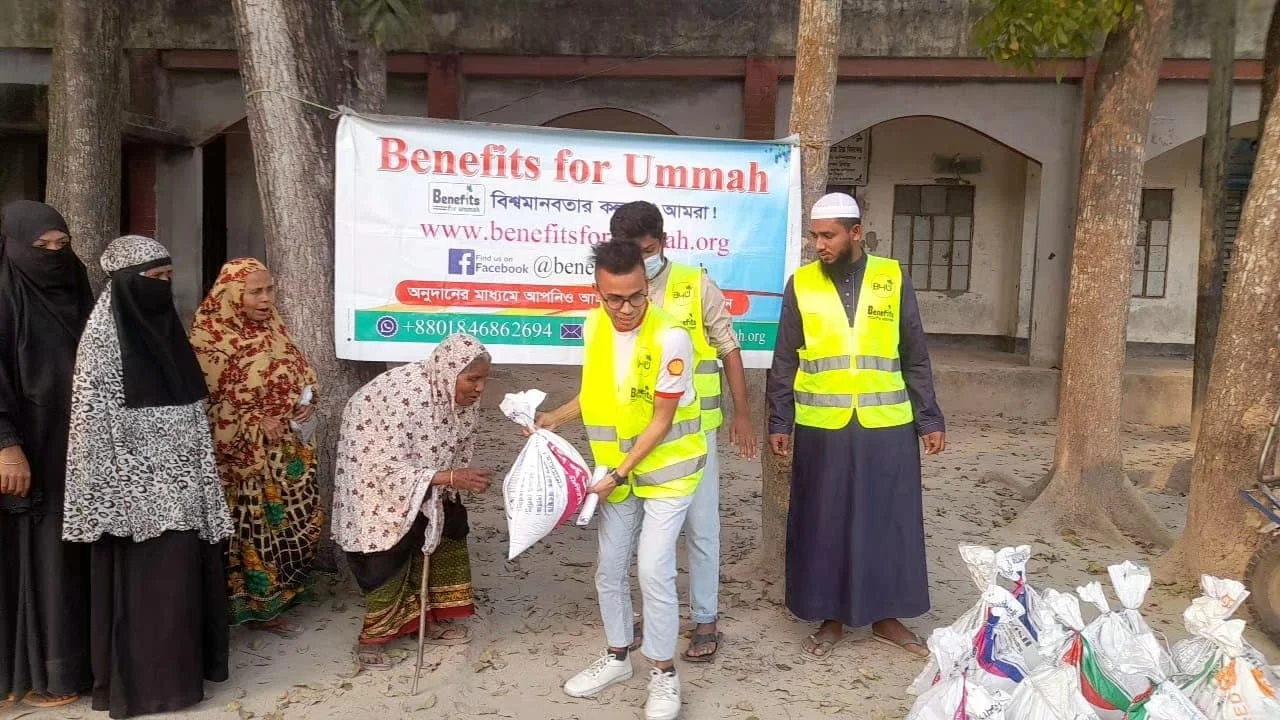
At Benefits for Ummah, we aim to help Muslims understand and fulfil important Islamic financial responsibilities such as Zakat, Fitrana, Sadaqah, Sadaqah Jariyah, and Kaffarah. By understanding the purpose and rules of each form of giving, you can fulfil your obligations with greater confidence and ensure that your contribution reaches people who genuinely need support.
Islamic rulings may vary according to individual circumstances and schools of Islamic law. For personal calculations or complex situations, guidance should be sought from a trusted and qualified scholar.
Zakat Is the Right of Those in Need
Zakat is not simply a voluntary donation. It is an obligatory act of worship and a right that Allah has placed for eligible people within the wealth of financially able Muslims.
Through Zakat, wealth is shared with people who are struggling to meet their basic needs. It supports social responsibility and reminds us that the well-being of vulnerable members of the Ummah is a concern for everyone.
The Quran identifies eight categories of eligible Zakat recipients, including the poor, the needy, those appointed to administer Zakat, people burdened by eligible debts, and stranded travellers.
What Is Zakat?
Zakat is one of the five pillars of Islam. The word is associated with purification, growth, and blessing. By paying Zakat, a Muslim fulfils an obligation to Allah while helping eligible people access food, shelter, healthcare, education, and other essential support.
Zakat generally becomes obligatory when a Muslim possesses a qualifying amount of Zakatable wealth, known as the Nisab, and the relevant conditions have been met. The standard rate on many forms of savings and monetary wealth is 2.5%, although different types of assets may follow different rules.
Because Zakat calculations can depend on savings, business assets, investments, debts, agricultural produce, and other circumstances, anyone unsure of their calculation should consult a qualified scholar.
What Is Fitrana?
Fitrana, also called Sadaqat al-Fitr or Zakat al-Fitr, is given at the end of Ramadan. Its purpose is to help people in need obtain food and share in the happiness of Eid.
It should be delivered before the Eid al-Fitr prayer so that eligible families can benefit from it in time for the celebration. The Prophet Muhammad, peace be upon him, instructed that Zakat al-Fitr be paid before people went out for the Eid prayer.
Fitrana is paid for each eligible member of a household. A parent or head of the family may pay on behalf of dependants. The exact amount is usually based on the local value of a specified quantity of staple food and may therefore differ by country and year.
Who Should Pay Fitrana?
In general, Fitrana is due from Muslims who possess enough food and resources beyond their essential needs for themselves and their dependants.
Families experiencing severe poverty and unable to meet their own basic food needs may be eligible to receive Fitrana rather than pay it. Detailed eligibility rules can vary, so those uncertain about their situation should seek reliable Islamic guidance.
What Is Sadaqah?
Sadaqah is a voluntary act of giving performed sincerely for the pleasure of Allah. It may involve donating money, providing food, supporting an education, visiting someone who is ill, sharing useful knowledge, or offering another form of kindness.
Unlike Zakat, Sadaqah is not limited to a fixed amount or particular time. A person can give according to their means whenever an opportunity to help arises.
Sadaqah may be given publicly when doing so encourages others, but giving privately can better protect sincerity and preserve the dignity of the recipient. The Quran describes private charity to people in need as better for the giver.
What Is Sadaqah Jariyah?
Sadaqah Jariyah is a form of continuing charity whose benefits remain after the initial donation has been made.
The Prophet Muhammad, peace be upon him, taught that after a person dies, their deeds come to an end except for three: continuing charity, beneficial knowledge, and a righteous child who prays for them.
Examples of Sadaqah Jariyah may include:
Installing a source of safe water
Building or restoring a mosque
Supporting a school or madrasa
Contributing towards a healthcare facility
Providing long-term education for a child
Supporting an orphan or vulnerable family
Funding resources that continue benefiting a community
The lasting value of Sadaqah Jariyah comes from the continued benefit it brings to people over time.
What Is Kaffarah?
Kaffarah is an expiation required for certain specific actions, such as breaking a deliberate oath or particular violations connected with fasting and other religious duties.
The required form of Kaffarah depends on what happened. For example, the Quran states that the expiation for a deliberate broken oath is to feed ten people in need, clothe them, or fulfil another prescribed option. A person who cannot afford these options should fast for three days.
The rules concerning Kaffarah for fasting and other matters can differ according to the circumstances and school of Islamic law. It is therefore important to consult a qualified scholar before deciding what is due.
How Benefits for Ummah Uses Zakat
Benefits for Ummah aims to distribute Zakat only through eligible programmes and to people who meet the relevant requirements.
Subject to eligibility and programme assessment, your Zakat may be used to:
Provide food and essential household supplies
Support an orphan’s living and educational needs
Assist eligible people with urgent medical expenses
Help vulnerable widows and families without reliable support
Support people facing severe financial hardship
Assist eligible individuals burdened by debt
Help struggling families regain stability and dignity
Our goal is to ensure that Zakat is treated as a trust and directed towards appropriate recipients with care, respect, and accountability.
How Your Other Religious Contributions Can Help
Depending on the type of contribution and its Islamic conditions, your Fitrana, Sadaqah, Sadaqah Jariyah, or Kaffarah may help provide:
Nutritious food for a struggling family
Safe water for a vulnerable community
Education for an orphan or disadvantaged child
Medical support for someone unable to afford treatment
Assistance for widows and vulnerable women
Sustainable livelihood opportunities
Long-term community projects
Emergency help during disasters and crises
Every form of giving has its own purpose. Understanding that purpose helps ensure that your contribution is used correctly and reaches the people for whom it is intended.
Fulfil Your Responsibility and Support the Ummah
Your Zakat may help a family meet its essential needs. Your Fitrana may place food on someone’s table before Eid. Your Sadaqah may bring relief during a difficult moment, while your Sadaqah Jariyah may continue benefiting people for years.
Through Benefits for Ummah, you can fulfil your religious responsibilities while helping eligible people live with greater security, dignity, and hope.
Give today and help your contribution reach those who need it most.