
Aqeeqah: Sharing the Joy of a Newborn Through Gratitude and Giving
The arrival of a child is one of life’s most precious blessings. It fills a family with happiness, gratitude, and new hope for the future.
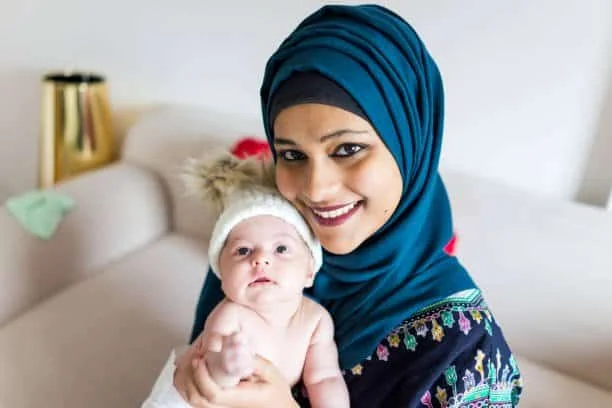
Aqeeqah gives Muslim families a beautiful way to thank Allah for this blessing. It also allows them to share the joy of their newborn with relatives, neighbours, and families who may otherwise struggle to afford a nourishing meal.
Through Benefits for Ummah, your Aqeeqah can help bring food, comfort, and happiness to orphans, widows, and families living in hardship.
What Is Aqeeqah?
Aqeeqah is the sacrifice offered in gratitude to Allah following the birth of a child. It is a meaningful Sunnah that brings together worship, generosity, family, and community.
The recommended practices associated with welcoming a newborn include giving the child a good name, shaving the child’s hair, offering the Aqeeqah sacrifice, and sharing its meat with others. The Prophet Muhammad (peace be upon him) mentioned performing the sacrifice, naming the child, and shaving the child’s head on the seventh day.
Aqeeqah is not simply about arranging a feast. At its heart, it is an expression of gratitude. It turns the happiness of one family into food and comfort for many others.
Is Aqeeqah Obligatory?
Aqeeqah is not generally considered Farz. The majority of scholars regard it as a highly recommended Sunnah for parents or guardians who can afford it.
A family that cannot afford Aqeeqah is not sinful for leaving it. Islam does not require people to place themselves under financial pressure. However, when a family has the means, performing Aqeeqah is a beautiful way to follow the Sunnah and show gratitude for the gift of a child.
When Should Aqeeqah Be Performed?
The seventh day after the child’s birth is the preferred time for Aqeeqah. The child may also be named and have their hair shaved on that day.
When it is not possible to perform Aqeeqah on the seventh day, many scholars allow it to be completed later. Some mention the fourteenth or twenty-first day, while others permit a suitable later date. Families may consult a trusted scholar when they need guidance based on their circumstances or school of Islamic law.
The most important thing is not to turn this joyful Sunnah into a source of anxiety or unnecessary financial hardship.
How Is Aqeeqah Performed?
The well-known Sunnah is to offer two similar sheep or goats for a baby boy and one for a baby girl. Some scholars also consider one animal sufficient for a boy when two are difficult to provide.
The family may distribute the meat among relatives, neighbours, and people in need. It may be given as fresh meat or prepared as a meal. A large or expensive celebration is not required. Aqeeqah can be completed simply, sincerely, and according to the family’s ability.
It is also recommended to shave the newborn’s hair and give the value of its weight in silver as voluntary charity.
Which Animals Are Suitable for Aqeeqah?
Sheep and goats are the most commonly used animals for Aqeeqah. According to many scholars, eligible cattle or camels may also be used, subject to the relevant Islamic rulings.
The animal should be healthy, suitable for sacrifice, and free from serious or obvious defects. The commonly cited minimum ages are:
Six months for a sheep
One year for a goat
Two years for a cow or buffalo
Five years for a camel
These are the general age standards used for eligible sacrificial animals. Since details may differ between schools of Islamic law, families may seek guidance from a trusted scholar when arranging a cattle or camel share.
Can Sadaqah Replace Aqeeqah?
Sadaqah is always a valuable and rewarding act. However, giving money alone does not normally count as performing the Aqeeqah sacrifice.
If a family cannot afford an animal, there is no sin in delaying or not performing Aqeeqah. They may still give any affordable amount as voluntary Sadaqah, but it should be understood as a separate act of charity rather than a replacement for Aqeeqah.
Even a small Sadaqah may provide food to a struggling family and inspire heartfelt prayers for the newborn.
Sharing the Blessing with People in Need
For many families, eating fresh meat is a rare experience. Aqeeqah provides an opportunity to share a special family occasion with people who may be facing hunger and financial hardship.
Your Aqeeqah may help provide food for:
Orphaned children
Widows and vulnerable women
Families living in poverty
People with disabilities
Elderly people without regular support
Households struggling to afford nutritious meals
When the meat reaches people who genuinely need it, the joy of welcoming one child becomes a source of happiness for an entire community.
How Benefits for Ummah Can Help
Benefits for Ummah can arrange the Aqeeqah sacrifice on your behalf and distribute the meat to vulnerable families.
Our volunteers oversee the process and work to ensure that:
A suitable and healthy animal is selected
The sacrifice is completed with the correct intention
Islamic slaughtering requirements are followed
The meat is handled carefully and hygienically
Orphans, widows, and families in need receive the meat
A cooked meal can be arranged for vulnerable people when requested
You receive an update after the Aqeeqah has been completed
By arranging your Aqeeqah through Benefits for Ummah, you can share the happiness of your newborn with people who may have very little to celebrate.
Let Your Newborn’s Joy Reach Another Family
The birth of a child brings happiness to one home. Through Aqeeqah, that happiness can reach many more.
Your child’s Aqeeqah may place fresh food on an orphan’s plate, bring comfort to a widow, or allow a struggling family to enjoy a meal together. Their prayers may become a beautiful part of your child’s first days in the world.
Arrange your Aqeeqah through Benefits for Ummah and share your newborn’s blessing with families in need.